Looking for metal handrails in Kitengela? Compare materials, styles, and per-metre costs, plus key safety standards, with guidance from Beyond Metalworks.
A handrail isn’t optional on any staircase, balcony, or raised walkway, it’s the single safety feature standing between a comfortable trip up the stairs and a serious fall. But within that basic requirement, there’s a wide range of styles, materials, and price points to choose from, and getting familiar with the options before you call a fabricator will help you ask better questions and avoid overpaying.
This guide breaks down the metal handrail types available in Kitengela, how the materials compare, what drives the per-metre cost, and the safety basics worth knowing regardless of which option you pick.
Handrail vs. Railing vs. Balustrade: What’s the Difference?
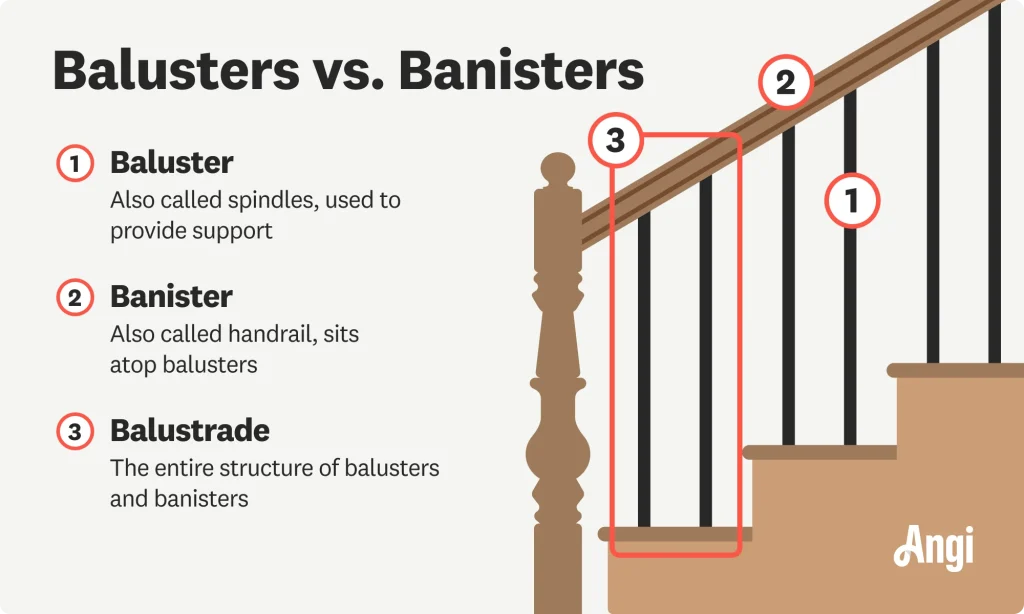
These three terms get used almost interchangeably in everyday conversation, but there’s a useful distinction as seen in the image below.
Handrails
Handrails, sometimes known as Banisters, is the part you actually grip, running at hand height.
Balustrade
This is the full assembly that consists of the handrail plus the vertical balusters or infill panel (glass, mesh, bars) filling the gap below it.
Railing
This is a general term that usually covers the whole balustrade assembly.
For this guide, metal handrail refers to the whole system, grip rail plus supporting structure.
Types of Metal Handrails
Staircase Handrails
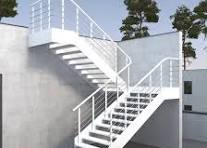
Fitted along the open side (or both sides) of a staircase, following the pitch of the stairs. These need continuous, uninterrupted support and a correct, consistent height throughout the run.
Balcony Handrails
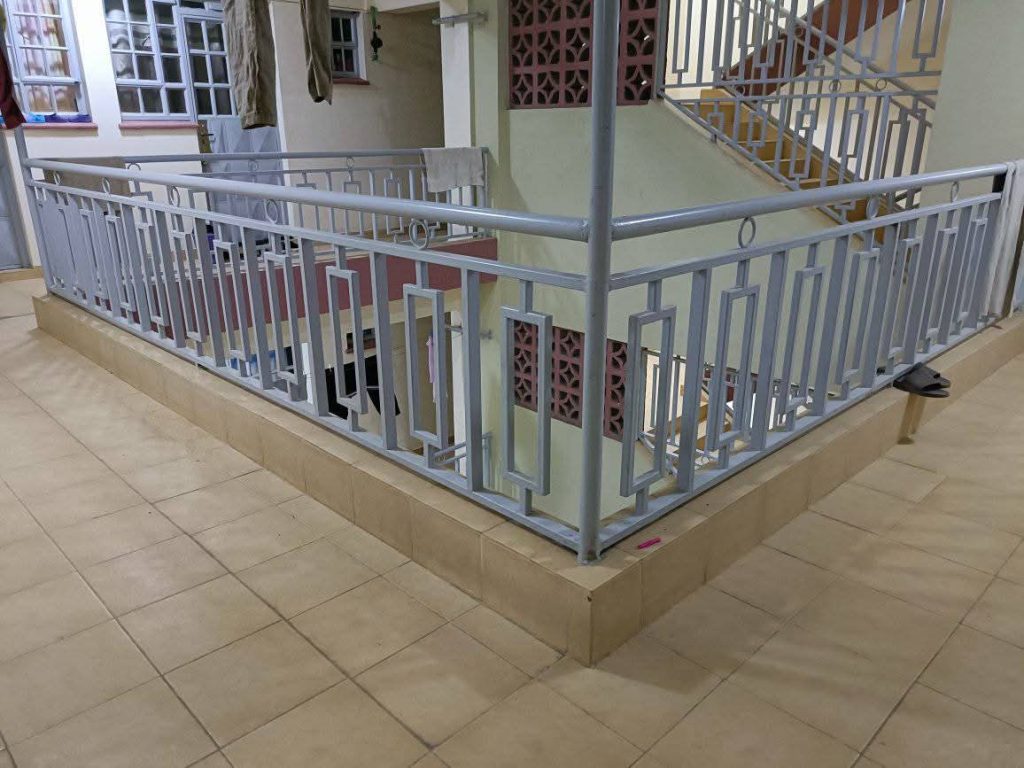
Installed around balconies, rooftop terraces, and raised platforms. Typically taller than staircase handrails, since they’re guarding a level drop rather than a slope. Our standard guideline is around 1000–1100mm on balconies versus roughly 900mm on staircases.
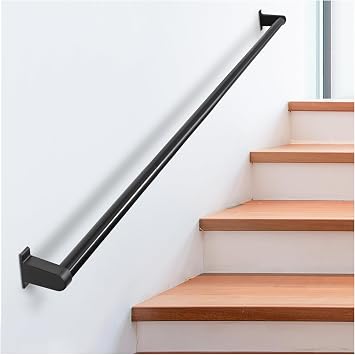
Free-standing rails supported by vertical posts anchored into the floor or stair treads, used where there’s no wall to mount against.
Material Comparison
At Beyond Metalworks we use a variety of materials to make our clients metal handrails. The type of material used determines the cost, longevity and look of the finished product.
| Material | Corrosion Resistance | Maintenance | Look | Relative Cost |
|---|---|---|---|---|
| Mild steel | Low — needs coating | Regular touch-ups | Flexible, takes paint or powder coat well | Lowest |
| Stainless steel | High — naturally resistant | Occasional polish or clean | Sleek, modern | Highest |
| Wrought iron | Moderate — needs coating | Periodic repainting | Ornamental, traditional | Mid-to-high |
| Aluminium | High | Low | Light, modern, less rigid than steel | Mid-range |
A quick note on wrought iron
True hand-forged wrought iron is rare and expensive today. Most wrought iron style railings on the market, including the ornamental scroll and baluster designs, are actually mild steel forged or laser-cut to look like traditional wrought iron, then painted.
Design and Safety Considerations
According to the experience of our fabricators, few things matter more than style especially when spacing the railings.
- Baluster spacing. Gaps should be narrow enough that a small child can’t fit through or get a head stuck, we recommned of no more than about 100mm between balusters.
- Grip height should be around 900mm for staircases, and roughly 1000–1100mm for balconies and elevated platforms.
- Ensure continuous support, so that there are no gaps or weak points along the run, particularly at turns and landings where falls are more likely.
- Infill choice. Traditional vertical balusters, glass panels, cable or wire infill, and solid metal mesh all meet safety requirements differently. Glass and cable are popular for a more open, modern look but typically cost more than standard bar balusters.
Installation Considerations
How a metal handrail is mounted affects both cost and durability:
- On concrete stairs or floors — anchoring is generally straightforward with the right base plates and bolts.
- On tiled or finished surfaces — installation needs to happen either before tiling or with careful core-drilling to avoid cracking finished tiles, which adds labour time.
- Wall-mounted options — need a solid wall structure behind the brackets; hollow or weak walls need additional reinforcement first.
What Affects the Price Per Metre?
Steel handrails and railings in Kenya are almost always quoted per linear metre. The final number depends on:
- Material. Mild steel is the most affordable; stainless steel typically costs noticeably more per metre.
- Design complexity. Straight bar balusters cost less than ornamental scrollwork, glass infill, or cable systems.
- Height and post spacing. Taller runs or tighter post spacing for extra rigidity use more material.
- Finish. Powder coating, polishing, or specialty paint finishes add to the base cost.
- Site conditions. Installations on curves, uneven surfaces, or hard-to-access balconies typically cost more in labour.
As a general starting point, mild steel handrails with a standard bar design tend to sit at the lower end of the market per metre, with stainless steel and glass-infill designs costing considerably more. Because material prices shift and every project’s design is different, the only accurate figure is a written quote based on your actual measurements and chosen design.
For a better analysis of the price of steel products in Kitengela, read this article.
Maintenance in Kitengela’s Climate
A thorough research on the maintenance of steel is clearly explained in our previous article on Metal Fabrication Maintenance in Kitengela. Otherwise, dust is the main practical issue for handrails here in Kitengela. As such, a few habits are necessary to extend the life of any coated steel handrail:
- Wipe down or rinse dust build-up periodically, particularly on exterior balcony rails exposed to dry-season wind.
- Repaint or re-coat mild steel and wrought-iron-style rails every few years, sooner if you notice any chip exposing bare metal.
- For stainless steel, an occasional wipe with a mild cleaner keeps the finish from dulling, though it needs far less attention than coated steel overall.
Choosing a Fabricator
Because handrail safety comes down to correct height, spacing, and anchoring, not just appearance, it’s worth confirming your fabricator understands these standards rather than building purely to a photo you’ve shown them. At Beyond Metalworks, every handrail project starts with measurements taken on site, since even small variations in stair pitch or balcony edge can change what a compliant, comfortable rail actually needs to look like.
Frequently Asked Questions
What is the standard height for a staircase handrail? Around 900mm measured vertically from the tread nosing, though this can vary slightly depending on the specific design and any additional site requirements.
Is stainless steel worth the extra cost over mild steel? It depends on exposure and priorities. For handrails that see a lot of weather, or where low maintenance matters more than upfront cost, stainless steel often pays for itself over time. For sheltered, indoor, or budget-driven projects, well-coated mild steel performs well for years.
Can I add glass infill to an existing metal handrail? Often yes, if the existing frame and post spacing were designed with square or grooved channels that can hold glass panels. If the current handrail uses simple round bar balusters, retrofitting glass usually means replacing the balustrade section rather than modifying it.
How do I know if my handrail meets safety spacing requirements? The most common guideline is keeping gaps between balusters, or between the rail and any infill, to no more than about 100mm — tight enough that a small child’s head can’t pass through. A fabricator familiar with these standards can confirm this at the design stage.